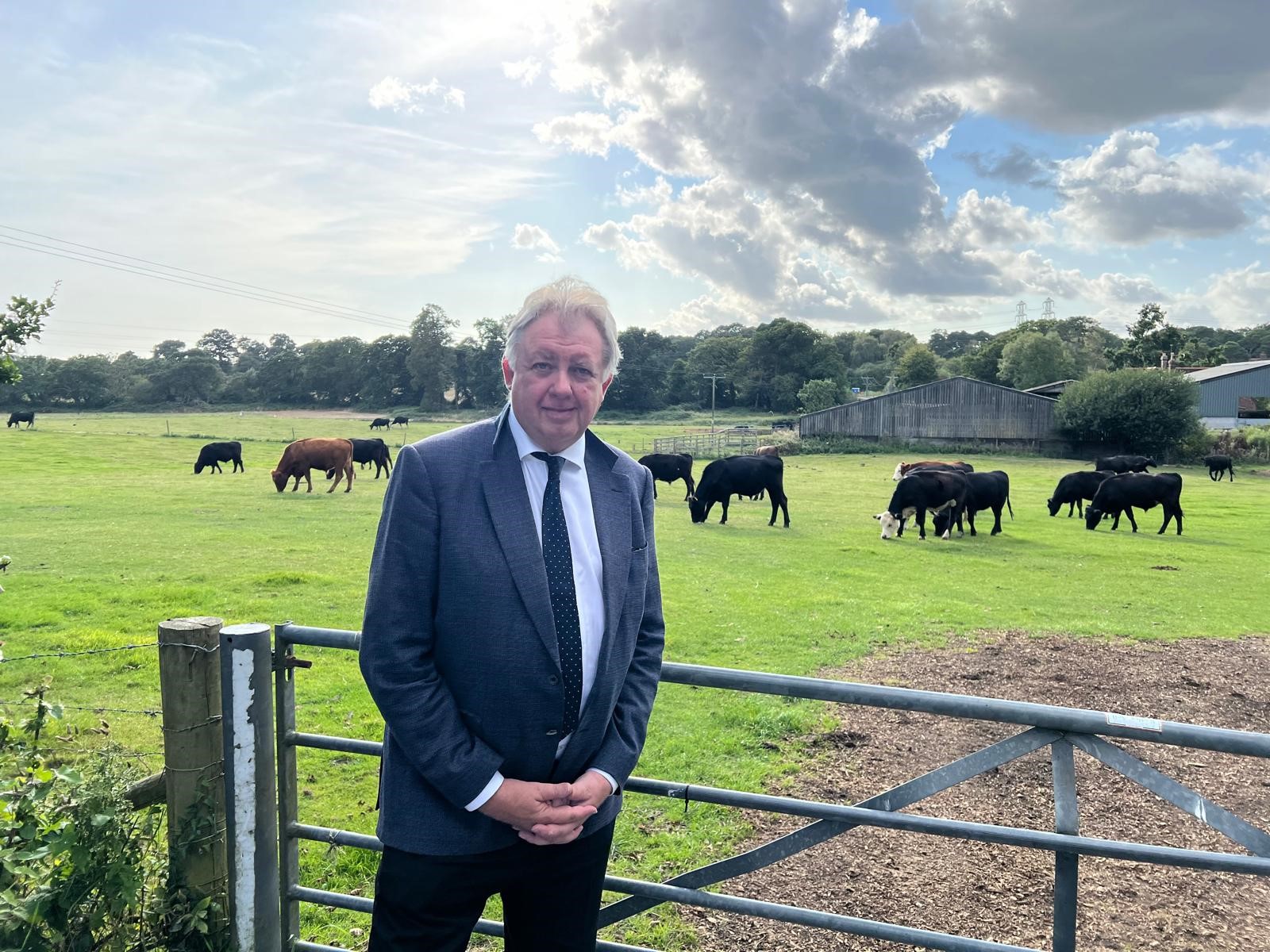
Today, I am pleased to see new law changes coming into effect to strengthen the protection of livestock. Livestock worrying occurs when a dog attacks, chases, or is loose among livestock. Importantly, dogs do not need to make physical contact for harm to occur - fear and stress alone can injure livestock and, in severe cases, cause them to die.
I have seen firsthand the damage that livestock worrying can cause, and these changes will ensure that those responsible for such devastation are rightly punished. Recent National Farmers’ Union (NFU) data shows that farm animals worth £1.95 million were injured or killed by dogs in 2025 - a 10% increase on the previous year.
The changes mean that livestock worrying and livestock attacks will now be treated as separate offences, recognising the violent nature of such incidents. Courts will also have strengthened powers, including the ability to seize and detain dogs involved in offences, as well as to order offenders to cover the costs associated with their seizure and care. The penalty for dog owners found guilty of livestock worrying will also increase from a maximum fine of £1,000 to an unlimited fine.
It is also important to recognise the impact dogs can have on wildlife. These legal changes will help deter offenders, encourage greater responsibility among dog owners, and ensure that those who break the law are held accountable. Dorset is home to a wide range of protected species and chasing or disturbing wildlife - including deer and ground-nesting birds - is illegal and can cause lasting damage to fragile local ecosystems.
A local farmer, who wishes to remain anonymous, told my office: “I welcome the new changes and hope they increase awareness among dog owners that they have a responsibility to keep their dogs under control or face the consequences. Farmers continue to battle with the growing number of out-of-control dogs on farmland. I see dogs off leads on a daily basis, often out of sight of their owners. While some owners are considerate and keep their dogs on leads, unfortunately many do not - and the consequences can be unimaginable harm to wildlife and farm animals.
So often I am told by dog walkers that their dogs would never harm anything, only to then see the same family pet chasing sheep, cattle, deer, or anything that triggers their natural hunting instincts. Simply put, if you are walking your dog in the countryside - or anywhere - it must be under control at all times.”
A recent survey of dog owners revealed that one in ten admit their dog has no reliable recall, and one in twenty admit their dog has chased livestock. We must all do our part to protect our countryside and the animals that call it home.
As a responsible dog owner myself, I make sure to keep my dog, Parker, on a short lead when walking near livestock. I stick to public footpaths and remain particularly vigilant during lambing season, when animals are most vulnerable.
Protecting our countryside is a shared responsibility. If you are walking your dog in rural areas, please keep it under control, use a lead near livestock, and respect the wildlife and farms that make our countryside so special. By taking these simple steps, we can help prevent unnecessary suffering and ensure our countryside remains a safe place for animals, farmers, and walkers alike.
David Sidwick